In honor of APA heritage month, I offer you a list of 10 things YOU can do to celebrate (seriously, I was an Asian American Studies major!):
1. Make origami cranes
2. eat fortune cookies (strike that)
2. take out your planner and schedule in a different asian cuisine for every day of the month (thai, Burmese, Indian, Chinese, Korean, Japanese Vietnamese, Pilipino, Taiwanese, Singaporean, etc etc.)
3. tell your asian girlfriend/ wife “I love you” in her home language
4. go to yoga/ tae kwon do/ jujitsu/ etc etc
5. wear a cheongsam, hanbok, kimono w/ chopsticks in your hair (or a sari w/ a bindi on your head)
6. get an asian tattoo/ henna
7. Watch Madame Butterfly
8. Tell an APA how your dad/ grandfather/ uncle/ brother fought in the “war”
9. make a newspaper rice paddy hat and wear it on your head
10. watch hentai
May is APA heritage month. like most people of color, I don’t really know what to make of the tokenized month that celebrates the greatest of me (or rather, APAs). May has never been anything special to me except that it meant the end of the school year for the last 6 years of my life. as a former Asian American Studies major you'd think i'd get really excited, go to a bunch of events, and be... well, yellow and proud. in actuality, i'm never quite sure what to make of this month. it seems very anti-climatic.
This year, I’m going to try and remember WHY May is APA heritage month:
-May is the month in which the first Asian arrived on American soil (so I’ve read)
-Chinese exclusion Act, Passed May 6 1882: Chinese were banned from immigrating to the U.S. Originally a 10-year-policy, was extended and made permanent in 1902. It wasn’t until 1943 when China was an important ally of US that the act was appealed.
-On May 3, 1942, General DeWitt issued Civilian Exclusion Order No. 346, ordering all people of Japanese ancestry, whether citizens or non-citizens, to report to assembly centers, where they would live until being moved to permanent "Relocation Centers."
-Chinese American railroad workers finish building the Transcontinental Railroad on May 10, 1869. 2/3 of the 4,000 railroad workers were Chinese. Workers risked and lost their lives to chip away granite and plant explosives to blast tunnels.
Okay, so here is my REAL list to celebrate APA heritage month:
1. Listen closely and stop thinking you can’t understand someone speaking w/ an accent
2. Be nice to service workers
3. teach your kids/ yourself/ someone to stop pulling their eyes and saying “ching chong chinaman”
4. write to Michelle Malkinand John Yooand let them know you’re ashamed of them
5. stop thinking in a black/ white paradigm
6. vote
7. read a book by an APA writer that is not Amy Tan or Maxine Hong Kingston
8. love an APA man
9. stop thinking you can’t be a feminist and an APA activist
10. Read Heartbeat of Struggle: The Revolutionary Life of Yuri Kochiyama
11. if you’re an APA take care of your mental and physical health. If you’re an APA woman who is not “Asian-skinny” love your body. We don’t all have to be a BCBG size 0, ya know! (Fact: Suicide is the leading cause of death for APA youth (second only to unintentional deaths) according to CDC 2000. In 2003, the American Psychological Association found that APA girls have highest rate of depressive symptoms of all racial groups and the highest suicide rate among women 15-24). Let's take care of ourselves kiddies!
Showing posts with label random. Show all posts
Showing posts with label random. Show all posts
Wednesday, May 03, 2006


Tuesday, May 02, 2006

today i was telling aaron about how much i like wikipedia. whenever i want to find something i check out wikipedia; it's like an internet Dad. for example, i love eating pommelo. i figured it was a hybrid of a grapefruit and orange but wasnt sure. B/c of wikipedia i now know that a grapefruit is actually a hybrid of an orange and pommelo. who knew pommelo was a pure fruit?! B/c of wikipedia i also know that Marlon Brando loved "exotic women".
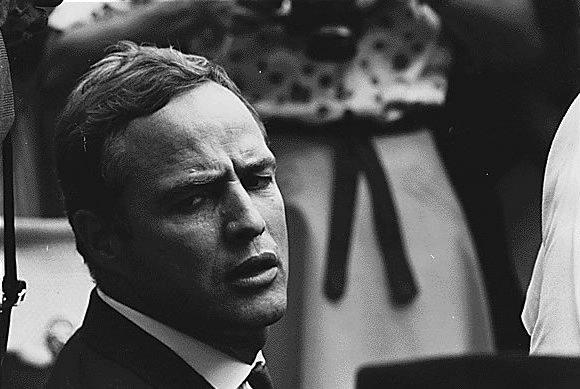
in 1957 he married actress Anna Kashfi believing her to be South Asian. She was actually from Wales and was Irish Catholic. She "dressed and made herself up as an Indian beauty after learning that Brando gravitated toward exotic women." weird huh? if you look up "lactose intolerant" on wikipedia you can see a graph that shows the % of lactose intolerancy by ethnic group (swedish 2%; white americans 12%; black americans 75%;; chinese 83%.)
a few months ago, my sister and i looked up "care bears" cuz we love those little buggers. not only is there a lengthy article on care bears, but it lists the main care bears and the care bear cousins. my favorite care bear, funshine bear used to be a girl in the 80s but was recently reissued as a boy! funshine is transexual! amigo bear was added this year and is the first bear to speak spanish. amigo bear got me thinking that the rest of the bears are probably ethnically white, instead of ethnicity-less like they should be since they're bears. anyway, today i revisited the page to see if any care bear descriptions would have ethnicity clue. guess what i found? in an episode called "long lost care bears" there are 2 bears named Polite and Perfect PANDA. WTF?
 come on, you know ppl think asians are polite (bowing, pouring tea, etc etc) and strive to be perfect (overworked kids going to kumon, language school, piano, karate, church, etc) . these bears are obviously Asian, more specifically Chinese (cuz you know, panda's are from china). i hope the creators know that polite and perfect might be care bear COUSINS, not actual care BEARS b/c there's some classification controversy if pandas are bears, related to raccoons, or are in a class by themselves.
Wednesday, April 26, 2006
my thesis draft is due Monday, yet i'm still finding plenty of ways to procrastinate:
angry lil boys,
Tasty Candy,
Daddy blogs,
Biggest waste of time ever ,
More Daddy blogs,
second biggest waste of time ever ,
Plug for Gary,
Plug for Samhita,
Clothes that I could never fit into, but like to look at ,
and
Making my ears happy
angry lil boys,
Tasty Candy,
Daddy blogs,
Biggest waste of time ever ,
More Daddy blogs,
second biggest waste of time ever ,
Plug for Gary,
Plug for Samhita,
Clothes that I could never fit into, but like to look at ,
and
Making my ears happy
Saturday, April 22, 2006
beep beep
for some reason, i forgot to publish the post below abt wanting to get a scooter, that was supposed to go up on monday. oh well. anyway, today i went to actually go test drive scooters. i was looking forward to it all week long, super excited. i kept looking at my sister and saying, " i'm so excited to get a scooter! " i'd put my hands in the air like i was driving a scooter and say, "putt-putt-putt-putt-putt" . that's my scooter sound, even though i would never want to ride a scooter that actually sounded that janky...
ANYWAY, this morning i woke up all excited. while we were driving over to the Yamaha/ Honda dealer, i told my sister how i want to go skydiving again and how exhilarating it was... i was a fearless skydiver my first time around. while i was saying this i parked near the dealership (which mainly sells motorcycles, not mopeds) and glanced over at the lot full of bikes. i ended my skydiving story, turned off my engine, looked back at the dealership, looked to my sister, paused and said in a small voice, "um, there's all these big white guys over there... i'm kind of intimidated." (i imagined myself (barely clearing 5 feet 1 inch) approaching a salesman and saying in a baby voice, i wanna test out the scooters!) she agreed that the men looked intimidating so we agreed to go back on sunday w/ her friend James (a big asian dude who rides motorcycles).
we ended up going to REI instead. after REI i said, "i feel bad! i was so excited this week. we have to go back!)
SO we drove back. i got all nervous when we were approaching the dealership. turned the corner to park, made a u-turn instead and headed back home.
boo... i TOTALLY bucked under the fear of a male-dominated industry. :(
ANYWAY, this morning i woke up all excited. while we were driving over to the Yamaha/ Honda dealer, i told my sister how i want to go skydiving again and how exhilarating it was... i was a fearless skydiver my first time around. while i was saying this i parked near the dealership (which mainly sells motorcycles, not mopeds) and glanced over at the lot full of bikes. i ended my skydiving story, turned off my engine, looked back at the dealership, looked to my sister, paused and said in a small voice, "um, there's all these big white guys over there... i'm kind of intimidated." (i imagined myself (barely clearing 5 feet 1 inch) approaching a salesman and saying in a baby voice, i wanna test out the scooters!) she agreed that the men looked intimidating so we agreed to go back on sunday w/ her friend James (a big asian dude who rides motorcycles).
we ended up going to REI instead. after REI i said, "i feel bad! i was so excited this week. we have to go back!)
SO we drove back. i got all nervous when we were approaching the dealership. turned the corner to park, made a u-turn instead and headed back home.
boo... i TOTALLY bucked under the fear of a male-dominated industry. :(
Wednesday, March 15, 2006
rekindling the romance between me and my thesis
i just read this great essay called "Reading Asian American Poetry" by Juliana Chang. Her esssay really helped me think not only about poetry but all art forms created by marginalized people. this is just what i needed to read to get me through one or two more lesson plans. (hopefully i will read something equally wonderful on Saturday so I'll be able to finish by Monday.) Here are my notes on the reading for my lesson plan. there is a definite deconstruction of multiculturalism in this reading that i really appreciate. i want to read more about and from David Palumbo-Liu, who until today i don't think i've ever heard of.
Reading Asian American Poetry by Juliana Chang
-Audre Lorde argues that poetry is not a luxury. “Of all art forms, poetry is the most economical. It is the one which is the most secret, which requires the least physical labor, the least material, and the one which can be done between shifts, in the hospital pantry, on the subway, and on scraps of surplus paper.”
History of Asian American poetry
-Ethnic poetry in the 1960s and 1970s can be viewed as a “racial project” creating links between cultural representation, racial inequity, and racialized empowerment. The late 70s and 80s there was a shift from poetry to prose.
-Asian American poetry dates back to 1890s. Japanese folksong-derived plantations worksongs, Cantonese rhymes in Chinatown, poems carved into the walls of Angel Island.
-Despite the long history of Asian American poetry, it is marginalized by Asian American literary critics and mainstream critics.
How is Asian American poetry is received?
-Poems are considered lyric and private, not public or social even though in the 1960s and 1970s poetry was often oral and performative (public). Chang argues that poetry, not just the novel, can be read as dialogic and heteroglossic (Bhaktin & the novel as genre).
-Rendering poetry as private v. public gives the perception that poetry has less social relevance. The perceived private nature of poetry also makes it seem inaccessible or difficult to comprehend.
-When poetry is perceived as public:
-Artists must deal with the “burden of representation” and the gaze of a white audience.
-Runs the risk of being co-opted by “liberal multiculturalism”. David Palumbo-Liu says that liberal multiculturalism is a “mode of managing a crisis of race, ethnicity, gender, and labor in the First World and its relations with the Third.” Ethnic texts become stand-ins/ proxies for people of color.
-Palumbo-Liu says a critical multiculturalist practice would examine the “rough grains of political history” and its maintenance of inequity.
-Chang writes, “The reader attains the enlightenment of cross-cultural understanding, which s/he imagines as both enabled by and contributing to such a democratic pluralism. Potential social conflicts and tensions are presumably smoothed over in these literary encounters. “
-When poetry by people of color is accepted by mainstream society, then it is seen as a success for high culture. Standards for “good poetry” become universal. The accepted writer transcends race and color; the racial other has been civilized.
(How can Asian American poetry resist being appropriated by hegemonic narratives?)
-Depoliticized poetry is perceived as more authentic than prose. Mainstream readers witness a moment of “cultural authenticity.” Poems that may deal with claiming America are read as wanting to have membership of a white America/ dominant culture.
(How can Asian American writers/ people claim America in a counterhegemonic fashion? “How might we re-vision the United States in ways that interrupt the racist and imperialist ideologies of dominant ‘Americanism’?”)
What does this mean?
-Chang argues, “The project of reading Asian American poetry assumes the significance of ensuring that linguistic and cultural cracks and fissures do not get smoothed over in culturalist readings and containments of dissent.”
-Proposes reading poetry that highlights disruptions of meaning and space (Does this remind you of Bhabha?)
Reading Asian American Poetry by Juliana Chang
-Audre Lorde argues that poetry is not a luxury. “Of all art forms, poetry is the most economical. It is the one which is the most secret, which requires the least physical labor, the least material, and the one which can be done between shifts, in the hospital pantry, on the subway, and on scraps of surplus paper.”
History of Asian American poetry
-Ethnic poetry in the 1960s and 1970s can be viewed as a “racial project” creating links between cultural representation, racial inequity, and racialized empowerment. The late 70s and 80s there was a shift from poetry to prose.
-Asian American poetry dates back to 1890s. Japanese folksong-derived plantations worksongs, Cantonese rhymes in Chinatown, poems carved into the walls of Angel Island.
-Despite the long history of Asian American poetry, it is marginalized by Asian American literary critics and mainstream critics.
How is Asian American poetry is received?
-Poems are considered lyric and private, not public or social even though in the 1960s and 1970s poetry was often oral and performative (public). Chang argues that poetry, not just the novel, can be read as dialogic and heteroglossic (Bhaktin & the novel as genre).
-Rendering poetry as private v. public gives the perception that poetry has less social relevance. The perceived private nature of poetry also makes it seem inaccessible or difficult to comprehend.
-When poetry is perceived as public:
-Artists must deal with the “burden of representation” and the gaze of a white audience.
-Runs the risk of being co-opted by “liberal multiculturalism”. David Palumbo-Liu says that liberal multiculturalism is a “mode of managing a crisis of race, ethnicity, gender, and labor in the First World and its relations with the Third.” Ethnic texts become stand-ins/ proxies for people of color.
-Palumbo-Liu says a critical multiculturalist practice would examine the “rough grains of political history” and its maintenance of inequity.
-Chang writes, “The reader attains the enlightenment of cross-cultural understanding, which s/he imagines as both enabled by and contributing to such a democratic pluralism. Potential social conflicts and tensions are presumably smoothed over in these literary encounters. “
-When poetry by people of color is accepted by mainstream society, then it is seen as a success for high culture. Standards for “good poetry” become universal. The accepted writer transcends race and color; the racial other has been civilized.
(How can Asian American poetry resist being appropriated by hegemonic narratives?)
-Depoliticized poetry is perceived as more authentic than prose. Mainstream readers witness a moment of “cultural authenticity.” Poems that may deal with claiming America are read as wanting to have membership of a white America/ dominant culture.
(How can Asian American writers/ people claim America in a counterhegemonic fashion? “How might we re-vision the United States in ways that interrupt the racist and imperialist ideologies of dominant ‘Americanism’?”)
What does this mean?
-Chang argues, “The project of reading Asian American poetry assumes the significance of ensuring that linguistic and cultural cracks and fissures do not get smoothed over in culturalist readings and containments of dissent.”
-Proposes reading poetry that highlights disruptions of meaning and space (Does this remind you of Bhabha?)
Tuesday, February 28, 2006
Amy and the Terrible, Horrible, No-Good, Very Bad Day
-Woke up late
-Went outside in tennis shoes/ no socks and cropped jeans. It was raining HARD. No Umbrella. No time to chagne b/c i was already late
-Rushed to Richmond HS
-Said I would host meetings on Wednesdays when I'm already really busy
-Rushed to De Anza HS
-Found out my laptop w/ my thesis and all my work info is STILL broken and won't be serviced until i give them something to backup all my data.
-SASI computer not printing at De Anza
-Rushed to doctors
-Spent 20 minutes looking for parking
-Arrived at Doctor's office
-Told my appointment is actually NEXT monday not this monday. (All the rushing at the schools was a result of thinking i had a doctors appointment)
-Drove to class.
-Did nothing while waiting for class to start
-Decided not to go to class
-Got a flat tire
-Called AAA so I could get my spare changed
-GOt my spare changed
-Drove about 12 blocks, got a flat SPARE!!!!!
-Had to get my car towed
-Still waiting for the tire ppl to call me back and tell me when I can get my car so i can actually go to work.
The bright side? My spare could have blown out on the bridge while it was rainy and windy. At least I was in a residential area.
-Went outside in tennis shoes/ no socks and cropped jeans. It was raining HARD. No Umbrella. No time to chagne b/c i was already late
-Rushed to Richmond HS
-Said I would host meetings on Wednesdays when I'm already really busy
-Rushed to De Anza HS
-Found out my laptop w/ my thesis and all my work info is STILL broken and won't be serviced until i give them something to backup all my data.
-SASI computer not printing at De Anza
-Rushed to doctors
-Spent 20 minutes looking for parking
-Arrived at Doctor's office
-Told my appointment is actually NEXT monday not this monday. (All the rushing at the schools was a result of thinking i had a doctors appointment)
-Drove to class.
-Did nothing while waiting for class to start
-Decided not to go to class
-Got a flat tire
-Called AAA so I could get my spare changed
-GOt my spare changed
-Drove about 12 blocks, got a flat SPARE!!!!!
-Had to get my car towed
-Still waiting for the tire ppl to call me back and tell me when I can get my car so i can actually go to work.
The bright side? My spare could have blown out on the bridge while it was rainy and windy. At least I was in a residential area.
Subscribe to:
Posts (Atom)
